
-
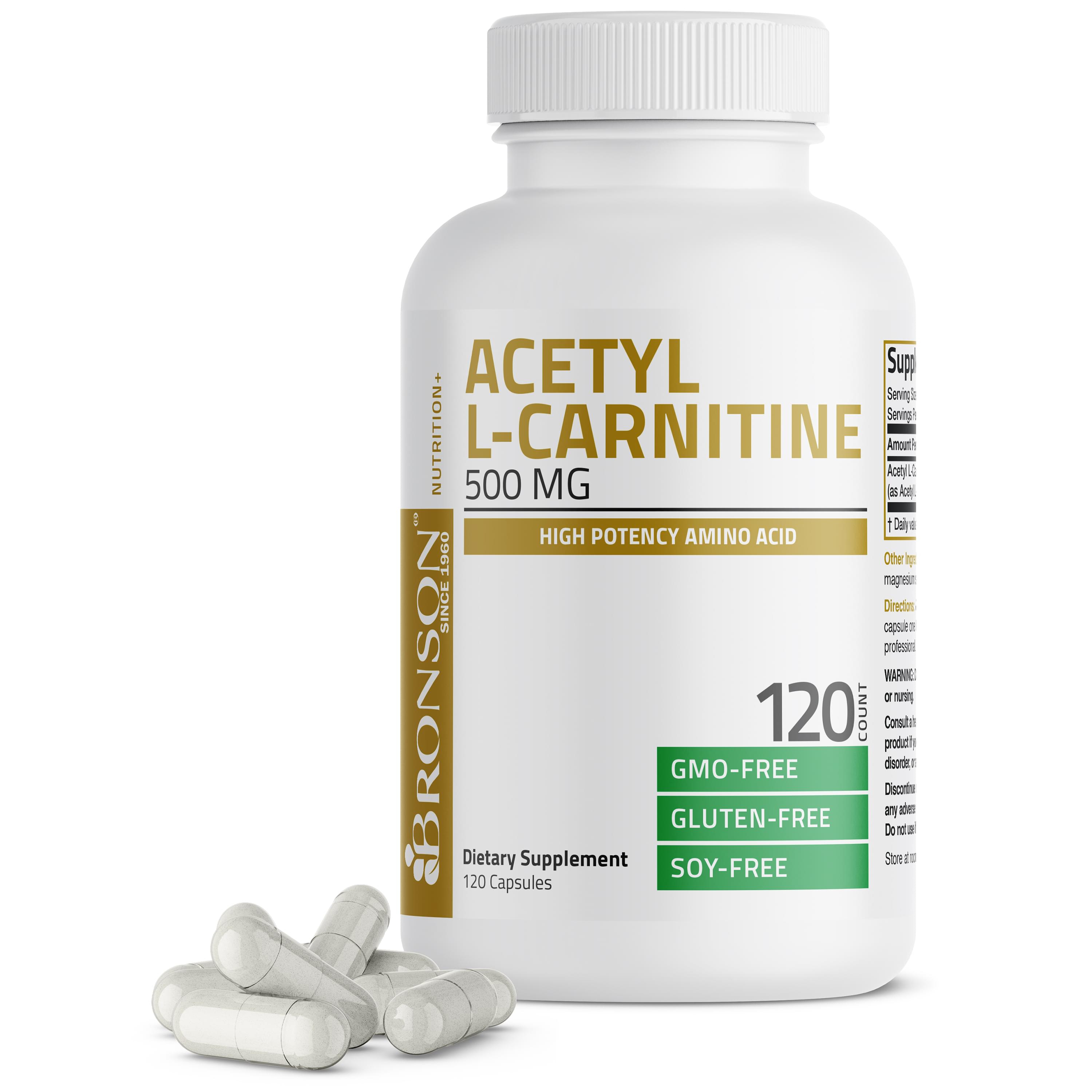
Acetyl L-Carnitine - 500 MG
Regular price From KM 18,00 BAMRegular priceUnit price per
What Acetyl-Carnitine Is and How Your Body Uses It
Acetyl l carnitine (ALCAR) is a natural substance your body makes from the amino acid l-carnitine. This acetylated form crosses the blood-brain barrier more efficiently than standard l-carnitine, which is why medical professionals often recommend it for cognitive support. Your body produces carnitine naturally, but certain conditions, medications, and dietary patterns can affect total carnitine levels. L-carnitine supplements help maintain adequate blood carnitine concentrations when your body's production or carnitine transport systems need support, much like immune support vitamins help fortify your body's natural defenses.
The Science Behind Carnitine Forms
Carnitine is a generic term covering several compounds your body uses for energy metabolism. The acetylated form offers distinct advantages because it supports brain health differently than other carnitine types, much like how Vitamin D3 K2 Immune System support works synergistically for overall wellness. Research published in systematic review studies shows acetylcarnitine crosses into brain tissue more readily, where it supports nerve function and cellular energy production. Understanding these differences helps you choose the right carnitine supplementation approach for your health and wellness intentions.
How Carnitine Deficiency Develops
Carnitine deficiency occurs when your body can't produce or transport enough carnitine to meet cellular demands. This deficiency can result from genetic conditions affecting carnitine transport, certain medical treatments, strict dietary restrictions, or increased metabolic needs. Patients with carnitine deficiency often experience fatigue and reduced exercise capacity. Blood carnitine testing helps medical professionals identify deficiency and determine appropriate treatment approaches, including targeted carnitine supplementation and other nutritional support such as a joint pain multivitamin.
Brain Health and Cognitive Support
Clinical trials examining acetyl l carnitine's effects on brain health have shown promising results across multiple conditions. The compound supports brain energy metabolism and may help protect nerve cells from age-related changes. Randomized, placebo-controlled trials have investigated its use in patients with Alzheimer disease, with some studies showing benefits in early-stage cognitive decline. A meta-analysis of multiple trials suggests acetylcarnitine may improve fatigue associated with neurological conditions, though individual responses vary, similar to how joint pain supplements show varying effectiveness across different individuals.
Research on Alzheimer Disease and Cognitive Function
Studies published in pharmacol journals have examined acetyl l carnitine in patients with Alzheimer disease and mild cognitive impairment. While results vary across trials, systematic review data indicates potential benefits for memory and attention in some patient populations. Medical professionals sometimes recommend carnitine supplementation as part of a broader cognitive health strategy, particularly for patients in early disease stages, alongside other approaches like dhea hormone supplements. These findings reflect ongoing research rather than definitive treatment protocols.
Supporting Nerve Function and Neuropathy
Research suggests acetyl l carnitine may benefit patients with peripheral neuropathy, a condition affecting nerve function in the hands and feet. Clinical trials have examined its use in diabetic neuropathy and chemotherapy-induced nerve damage. The acetylated form appears to support nerve cell health and may reduce certain neuropathy symptoms in some patients. Medical supervision is important when using l-carnitine mineral supplements for nerve-related conditions, as treatment approaches should be individualized based on the underlying disease.
Energy Production and Physical Performance
Your body relies on carnitine to transport fatty acids into mitochondria, where they're converted to energy. This process is essential for sustained physical activity and daily energy levels. Athletes and active individuals often use acetyl l carnitine to support their training and recovery. The compound's role in energy metabolism makes it relevant for anyone seeking to maintain healthy energy production, though dietary intake and your body's natural production usually meet basic needs.
How Carnitine Levels Affect Energy
Total carnitine concentrations in your tissues influence how efficiently your cells produce energy from fats. When carnitine levels drop below optimal ranges, you may notice reduced stamina or increased fatigue during physical activity. Carnitine supplementation can help restore these levels, particularly in people with higher metabolic demands or those following plant-based diets that provide limited dietary carnitine. Blood testing provides the most accurate assessment of your carnitine status.
Conditions Studied in Clinical Research
Medical researchers have investigated acetyl l carnitine across numerous health conditions beyond cognitive support. Studies have examined its potential in multiple sclerosis, chronic fatigue syndrome, depression, and age-related frailty. While some trials show promising results, others find minimal effects. This variability reflects the complexity of these conditions and individual differences in how patients respond to treatment. Your healthcare provider can help determine whether carnitine supplementation makes sense for your specific situation.
Multiple Sclerosis and Fatigue Management
Patients with multiple sclerosis often experience significant fatigue that affects daily function. Some randomized trials have examined whether acetyl l carnitine helps manage this fatigue, with mixed results. The compound's ability to support cellular energy production provides a theoretical basis for its use, but clinical evidence remains limited. Medical professionals sometimes include it in broader fatigue management strategies, recognizing that no single intervention works for everyone with this complex disease.
Depression and Mood Support Research
Several clinical trials have investigated acetyl l carnitine's effects on mood and depression symptoms. Some studies suggest benefits, particularly in older adults with depressive symptoms. A systematic review examining these trials found modest positive effects in certain patient groups. However, carnitine supplementation shouldn't replace standard depression treatment. Patients interested in this approach should discuss it with their medical team as part of a comprehensive treatment plan.
Choosing Quality Acetyl L Carnitine Supplements
Not all l-carnitine supplements deliver the same quality or bioavailability. Since our founding in 1960, Bronson Vitamins have been formulated by our team of nutritionists, research scientists, and chemists who understand the importance of ingredient selection and manufacturing precision. Our acetl l carnitine supplements are produced in our GMP-certified, FDA-registered facility and undergo third-party testing for purity and potency, just like our best fiber supplements. This attention to quality reflects our commitment to providing supplements backed by science, not marketing hype.
What to Look for in Formulations
Quality carnitine supplements use the specific form appropriate for your health intentions. Acetyl l carnitine offers advantages for brain support, while standard l-carnitine may be preferred for other applications. Check that products clearly list the carnitine form and dosage per serving, just as you would when selecting iron deficiency supplements. Avoid proprietary blends that hide actual ingredient amounts. Our transparent labeling shows exactly what you're getting, because informed decisions require complete information.
Understanding Dosage and Use
Clinical trials have used acetyl l carnitine dosages ranging from 500mg to 3,000mg daily, depending on the condition studied and patient needs. Most research uses divided doses taken throughout the day. Your appropriate dosage depends on your specific health situation, current carnitine levels, and treatment goals. Medical professionals can provide personalized guidance based on your individual needs. We formulate our products at dosages consistent with clinical research, making it easier to follow evidence-based protocols.
Safety Considerations and Who Benefits Most
Acetyl l carnitine has been studied extensively in clinical trials, with most research showing good tolerability in healthy adults. Some people experience mild digestive effects when starting supplementation. Certain medical conditions and medications may interact with carnitine supplements, so medical supervision is important. Patients taking blood thinners, thyroid medications, or undergoing specific medical treatments should consult their healthcare provider before starting any new supplement regimen.
When Supplementation Makes Sense
You might benefit from acetyl l carnitine if you're experiencing age-related cognitive changes, following a strict vegetarian or vegan diet with limited dietary carnitine intake, managing specific health conditions under medical supervision, or seeking additional support for energy production and physical performance. Blood testing can confirm whether you have carnitine deficiency before starting supplementation. Our 60-day satisfaction guarantee lets you try our formulas with confidence, knowing you're backed by six decades of physician trust.
Frequently Asked Questions About Acetyl L Carnitine
What Is L-Acetyl Carnitine Good For?
L-acetyl carnitine supports brain health, energy production, and nerve function. Clinical research has examined its use in cognitive support, peripheral neuropathy, and fatigue management. The acetylated form crosses into brain tissue effectively, which is why medical professionals often recommend it for neurological support. Your body uses it to help convert fats into cellular energy, making it relevant for both mental and physical performance.
What Happens When You Take L-Carnitine Every Day?
Daily l-carnitine supplementation helps maintain steady blood carnitine levels that support ongoing energy metabolism and cellular function. Most people tolerate daily use well when following appropriate dosages. Clinical trials examining long-term use (several months to years) generally show continued benefits without significant safety concerns. Consistency matters because your body uses carnitine continuously for energy production and other metabolic processes.
Who Should Not Take L-Carnitine?
People with certain medical conditions should avoid l-carnitine or use it only under medical supervision. This includes patients with seizure disorders, underactive thyroid conditions, or those taking specific medications like blood thinners. Pregnant and nursing women should consult their healthcare provider before starting any supplement. If you have kidney disease or are undergoing dialysis treatment, medical guidance is essential because these conditions affect carnitine metabolism.
How Much Acetyl-L-Carnitine for Female Fertility?
Research on acetyl l carnitine and female fertility has used dosages ranging from 500mg to 3,000mg daily, often in combination with other nutrients. Studies examining egg quality and reproductive outcomes show varying results. This is a specialized application requiring medical supervision and individualized treatment planning. Fertility specialists can provide guidance based on your specific situation, overall health status, and treatment goals.
Our physician-recommended acetyl l carnitine supplements combine 60+ years of formulation expertise with the quality standards that have made Bronson Vitamins a trusted name in nutritional support. Every batch undergoes rigorous testing to verify purity and potency, giving you confidence in what you're taking. Shop our collection today and experience the difference that science-backed quality makes in your daily wellness routine.